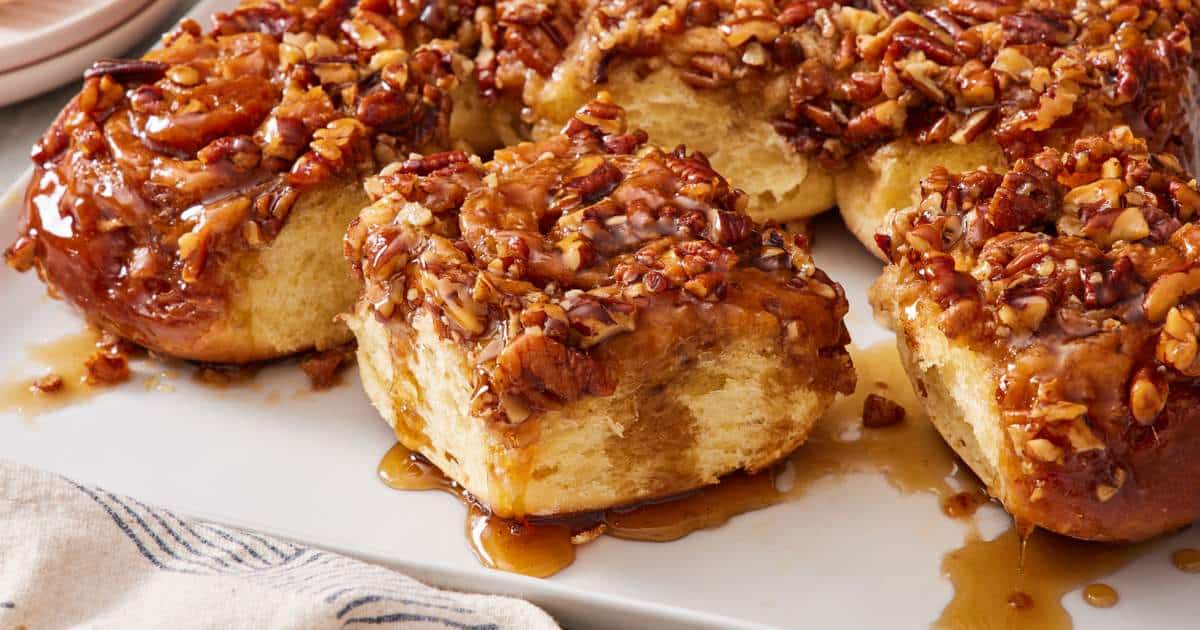
Unlock Gooey Perfection: The Ultimate Brioche Sticky Buns Recipe
Few treats evoke such widespread delight as a perfectly crafted sticky bun. Imagine a golden, fluffy pastry, drenched in a luscious, amber caramel sauce, often studded with crunchy pecans. It's a symphony of textures and flavors that transforms a simple breakfast or brunch into an unforgettable culinary experience. If you've ever dreamt of recreating that bakery-quality indulgence in your own kitchen, you're in the right place. This guide will walk you through the journey of mastering the ultimate sticky buns recipe, focusing on the rich, tender foundation of brioche dough that sets these buns apart.
While often confused with their close cousins, cinnamon rolls, sticky buns offer a uniquely decadent twist. They're not just sweet; they're an extra-gooey, sugar-drenched celebration of baking prowess. Whether you're a seasoned baker or embarking on your first yeasted dough adventure, the satisfaction of pulling these warm, glistening buns from the oven is unparalleled. Get ready to bake your way to sticky bun stardom!
What Makes a Sticky Bun "Sticky" and Irresistible?
At its heart, a sticky bun is a sweet rolled pastry, but its identity is defined by two crucial elements: a rich, yeasted dough and a thick, gooey caramel topping. Unlike a traditional cinnamon roll, which often relies on a cream cheese icing applied *after* baking, sticky buns achieve their signature "stickiness" through an ingenious baking method.
The magic begins with the choice of dough. While various doughs can be used, the truly exceptional sticky bun harnesses the power of a buttery brioche dough. This enriched dough, with its high butter and egg content, yields an incredibly tender, light, and subtly sweet crumb that beautifully complements the robust flavors of cinnamon and caramel. Once the brioche dough is rolled out and generously coated with a cinnamon-sugar mixture, it's cut into individual spirals.
The real secret, however, lies in the preparation of the baking pan. Before the raw buns even touch the pan, a generous layer of thick, gooey caramel sauce – often featuring chopped nuts like pecans for added texture and flavor – is spread across the bottom. The unbaked buns are then placed directly on top of this caramel layer. As they bake, the buns rise and absorb the caramel, and upon completion, the pan is inverted. This transformative flip means the luscious caramel, which was at the bottom during baking, now generously coats the top of each bun, creating that iconic, irresistible sticky glaze. It's this inverted technique that makes a sticky bun a truly unique and luxurious treat, perfect for a decadent brunch or an extra-special dessert.
Crafting the Perfect Brioche Dough: A Foundation for Greatness
The foundation of an unforgettable sticky bun is undoubtedly its brioche dough. This isn't just any dough; it's a buttery, tender masterpiece that requires a little attention but rewards you with an incredibly rich texture. To begin, let's talk yeast. For optimal results with brioche, it's highly recommended to use either active dry yeast or fresh yeast (often found in compressed cakes) rather than instant yeast. Active dry yeast is shelf-stable and needs to be "activated" in a warm liquid, while fresh yeast works more quickly due to its higher moisture content. Both will yield a superior rise and flavor profile compared to their instant counterpart.
Next up is butter – and its temperature is critical. Aim for room-temperature butter, which is soft enough to incorporate smoothly into the dough but not so warm that it's oily or runny. Butter that's too soft can make your dough slack and difficult to work with, while overly cold butter will be stubborn for your stand mixer to incorporate properly. When in doubt, err on the side of slightly colder rather than warmer, as it will warm up as the mixer works.
As you develop your dough, a crucial indicator of readiness is the windowpane test. Gently stretch a small piece of dough between your fingers. If it stretches thinly enough to allow light to pass through, forming a translucent "windowpane" without tearing, then your gluten has developed sufficiently. This web-like network of gluten strands is what gives brioche its characteristic chew and elasticity. For effective gluten development and to create light, fluffy buns, be firm with your rolling pin when initially shaping the dough. Rolling the dough when it's cold also prevents it from absorbing excess flour, maintaining its tender texture.
An excellent tip for convenience, especially when planning a holiday brunch or a special breakfast, is to make the brioche dough in advance. You can prepare a bulk batch and freeze it, tightly wrapped in plastic, for up to five days. Dough stored in the refrigerator should be used within a day to ensure the yeast remains active and potent.
The Secret to the Goo: Caramel Perfection and Nutty Additions
While the brioche dough provides the luxurious base, it's the signature "goo" that truly earns these treats their name. This rich caramel sauce is more than just a topping; it's an integral part of the baking process, infusing every bite with unparalleled sweetness and a delightful chewiness. Typically, this glorious goo is made from a combination of butter, brown sugar, and sometimes a touch of corn syrup or cream, cooked until it forms a thick, glistening amber syrup. The key is to achieve a consistency that is thick enough to coat the bottom of the pan without immediately spreading too thin, yet liquid enough to bubble up and envelop the buns as they bake.
For an extra layer of flavor and texture, chopped nuts are a classic addition to the caramel layer. Pecans are the traditional choice, offering a buttery crunch that perfectly complements the sweetness of the caramel and the spice of the cinnamon. However, don't hesitate to experiment with walnuts, hazelnuts, or even a mix for a unique twist. A pinch of sea salt added to the caramel can also elevate the flavors, cutting through the sweetness and adding a sophisticated depth.
Just like the brioche dough, the goo can be prepared ahead of time, making your baking day much smoother. You can make the caramel sauce up to two weeks in advance and store it in an airtight container in the refrigerator. Before using, simply bring it back to room temperature (or gently warm it) to ensure it spreads evenly across the bottom of your baking pan. This make-ahead strategy is a game-changer, allowing you to focus on the dough and assembly when it's time to bake, making these delicious make-ahead sticky buns perfect for any occasion.
Assembly, Baking, and Storage: Mastering Your Sticky Buns
Once your brioche dough is rested and your caramel goo is ready, it's time for the magical assembly. Roll out your chilled brioche dough into a large rectangle, then generously spread it with softened butter and sprinkle it with a hearty cinnamon-sugar mixture. Roll the dough tightly into a log, then slice it into individual buns – aiming for uniform thickness ensures even baking. Arrange these spirals on top of the prepared caramel layer in your baking pan, leaving a little space for them to expand as they proof and bake.
After a final proof, which allows the buns to puff up and become airy, they're ready for the oven. As they bake, the brioche turns golden brown, and the caramel goo bubbles up around them, permeating the dough with its sweet richness. The aroma alone is enough to make mouths water! The moment they emerge, glistening and fragrant, is incredibly satisfying. Allow them to cool for just a few minutes in the pan before the grand inversion. Placing a serving plate over the baking pan and flipping it over quickly will release the buns, with the glorious caramel now cascading down over each one. The result is a stunning presentation and an even more incredible taste.
For those who love to plan, these sticky buns offer fantastic make-ahead options. You can prepare your pan of raw, assembled sticky buns, wrap them tightly in plastic, and freeze them for up to 5 days. When you're ready to bake, simply thaw them, still wrapped, in the refrigerator overnight or at room temperature for 2-3 hours before their final proof and bake. For baked buns, it's always best to enjoy them fresh and warm, but if you have leftovers, store them in an airtight container at room temperature for a day or two, or refrigerate for longer. A quick gentle reheat in the microwave or oven will bring back some of their fresh-baked goodness.
There's an undeniable joy in baking and sharing homemade sticky buns. The rich, buttery brioche, the aromatic cinnamon, and that irresistible, gooey caramel topping combine to create a truly special treat that’s perfect for any occasion. Whether you’re planning a celebratory brunch, a cozy weekend breakfast, or simply craving a moment of sweet indulgence, this ultimate sticky buns recipe is your key to unlocking gooey perfection. So, roll up your sleeves, embrace the process, and prepare to delight your taste buds with these extraordinary homemade sticky buns!
