Make-Ahead Sticky Buns: Your Secret Weapon for Stress-Free Holiday Feasting
Imagine waking up on a crisp holiday morning to the irresistible aroma of freshly baked cinnamon and caramel, knowing that a batch of warm, gooey sticky buns awaits – all without the frantic rush of morning baking. This dream becomes a delicious reality with a well-planned
sticky buns recipe designed for make-ahead convenience. These decadent treats are a quintessential addition to any holiday brunch spread, a comforting weekend breakfast, or an extra-special dessert that will leave a lasting impression. Let's delve into what makes these sticky, sweet delights so special and how you can master the art of preparing them in advance for pure culinary bliss.
What Makes a Sticky Bun So Irresistibly Gooey?
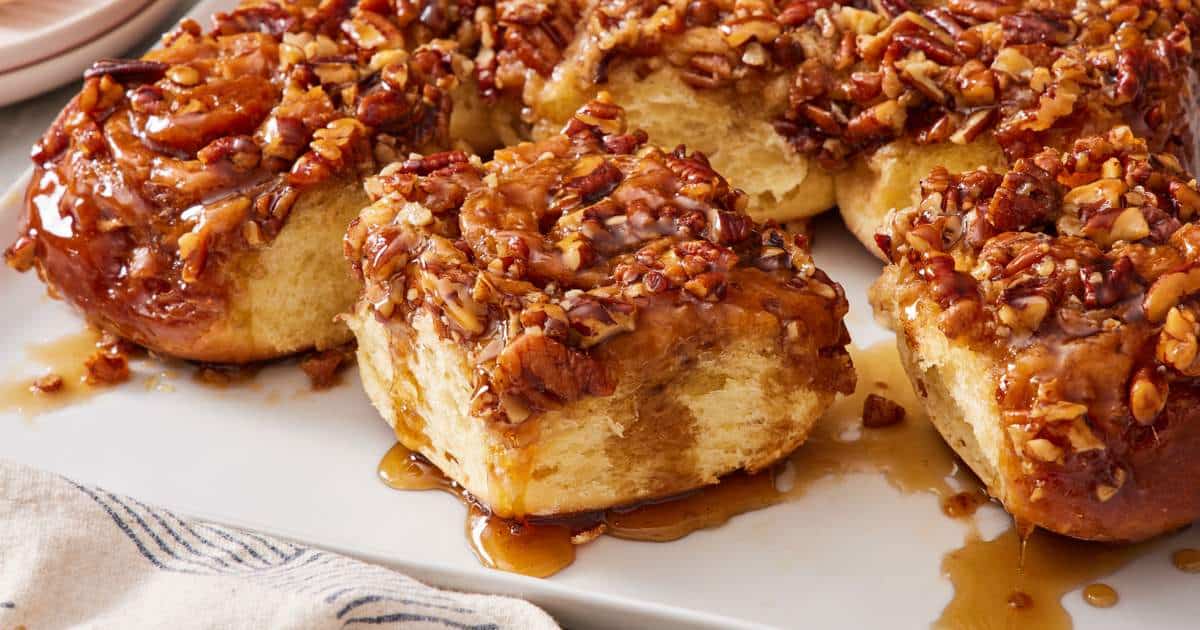
At its heart, a sticky bun is a gloriously over-the-top evolution of the classic cinnamon roll. While both feature a sweet, yeasted dough swirled with a cinnamon-sugar filling, the defining characteristic of a sticky bun lies in its magnificent, glistening caramel topping – often studded with crunchy nuts like pecans. Unlike cinnamon rolls, which are typically frosted after baking, sticky buns are baked upside down, with a thick layer of buttery caramel "goo" coating the bottom of the pan. When inverted after baking, this luscious sauce cascades over the buns, creating that signature sticky, sweet, and utterly indulgent finish.
The magic truly happens with the combination of a rich, tender brioche-style dough, generously spread with a cinnamon-sugar mixture, and then rolled, sliced, and placed atop the aforementioned caramel goo. As the buns bake, the brioche rises and bakes to a golden perfection, while the caramel beneath gently bubbles, thickens, and infuses every crevice with its sweet, buttery essence. The result is a pastry that is both light and substantial, deeply flavorful, and incredibly satisfying, striking the perfect balance between sweet, buttery, and slightly spiced.
The Ultimate Make-Ahead Strategy for Holiday Perfection
The true beauty of a great
sticky buns recipe lies in its flexibility, particularly its make-ahead potential. This feature transforms what could be a time-consuming morning task into a serene prelude to your holiday celebrations. By strategically preparing components in advance, you can enjoy freshly baked sticky buns with minimal effort on the day itself.
Prepare Your Dough in Advance
The foundation of any exceptional sticky bun is a perfectly proofed, rich brioche dough. This is an ideal component to prepare ahead of time.
- Refrigeration: Once your brioche dough has completed its first rise, you can tightly wrap it in plastic and refrigerate it for up to 24 hours. This slow, cold proof actually enhances the flavor and makes the dough easier to handle.
- Freezing: For longer-term planning, you can freeze the prepared dough. After its first rise, wrap it tightly in multiple layers of plastic wrap and place it in a freezer-safe bag. It can be stored in the freezer for up to 5 days without compromising the yeast's activity. When ready to use, thaw it overnight in the refrigerator before proceeding with rolling and shaping.
Whip Up the Goo Ahead of Time
The gooey caramel sauce is another perfect candidate for advance preparation. This means one less thing to worry about when you're assembling the buns.
- Storage: Prepare your caramel goo (whether it's plain or studded with nuts) up to two weeks in advance. Store it in an airtight container in the refrigerator.
- Usage: Before you're ready to assemble your sticky buns, remember to bring the goo back to room temperature. This ensures it spreads easily and evenly across the bottom of your baking pan, creating that beautiful, consistent caramel layer.
Assemble and Store Unbaked Buns
This is the game-changer for holiday mornings. You can assemble your entire pan of sticky buns the day before, or even earlier.
- Overnight Refrigeration: After arranging your raw, shaped buns atop the caramel in your baking pan, cover the pan tightly with plastic wrap. You can refrigerate them overnight. The slow, cold proof will allow them to rise gently and develop flavor. In the morning, simply remove them from the fridge about 30-60 minutes before baking to take off the chill, then bake as directed.
- Freezing Assembled Buns: For even greater convenience, you can freeze the entire pan of assembled, unbaked sticky buns for up to 5 days. Wrap the pan tightly with multiple layers of plastic wrap and then foil to prevent freezer burn.
- Thawing Frozen Buns: When you're ready to bake, thaw the frozen buns (still wrapped) in the refrigerator overnight. Alternatively, you can leave them at room temperature for 2 to 3 hours, allowing them to fully thaw and complete their final proof before baking.
This make-ahead approach ensures that the bulk of the work is done when you have time, leaving you free to enjoy the festive spirit and the delightful experience of warm, fresh-from-the-oven sticky buns when it matters most.
Mastering the Brioche Dough: Essential Baking Tips
Crafting the perfect sticky bun largely hinges on the quality of its brioche dough. This rich, buttery dough requires a bit of attention, but the rewards are well worth it. For those eager to dive deeper into the specific techniques championed by culinary masters like Joanne Chang, exploring
Master Joanne Chang's Sticky Buns: 8 Pro Baking Tips can unlock a new level of baking prowess. Here are some key tips to ensure your dough turns out beautifully:
Choosing the Right Yeast
While instant yeast is convenient, many professional bakers recommend using
active dry yeast or even
fresh yeast for brioche. Active dry yeast is a shelf-stable powder that needs to be "activated" in a warm liquid (usually water or milk) before being added to your dry ingredients. Fresh yeast, often sold in compressed "cakes," activates more quickly and imparts a subtle, desirable flavor. Whichever you choose, ensure it's fresh for optimal rise.
Temperature Matters: Butter and Beyond
The temperature of your ingredients, especially butter, plays a crucial role in brioche dough development.
- Room-Temperature Butter: Your butter should be at room temperature, but still slightly firm. If it's too soft or oily, it will be difficult for the dough to absorb, potentially resulting in a runny, difficult-to-manage dough. Err on the side of slightly colder butter rather than too warm.
- Dough Temperature for Rolling: When it's time to roll out your dough for shaping, ensure it's cold. A chilled dough is less sticky and easier to manipulate with a rolling pin without absorbing excess flour, which can toughen the final product.
The Windowpane Test
This classic baker's test is your best indicator of proper gluten development. After kneading (especially in a stand mixer), gently stretch a small piece of dough between your fingers. If it can be stretched thin enough to become almost transparent – like a windowpane – without tearing, it means the gluten has developed sufficiently. This elasticity is essential for a light, airy, and fluffy sticky bun. If it tears easily, continue kneading for a few more minutes.
Rolling with Purpose
Unlike gentle handling for some doughs, brioche benefits from a firm hand when initially rolling it out. Use a forceful, even pressure with your rolling pin to manipulate the dough and encourage further gluten development. This helps create the desired texture and ensures your buns are light and tender, rather than dense.
Beyond the Basics: Elevating Your Sticky Buns
While the classic
sticky buns recipe with pecans is undeniably perfect, don't hesitate to experiment with variations to suit your taste or the occasion.
- Nutty Variations: Swap out pecans for walnuts, or even a mix of nuts for varied texture. Toasting your nuts lightly before adding them intensifies their flavor.
- Spice it Up: Beyond cinnamon, consider adding a pinch of cardamom, nutmeg, or even a touch of ginger to the filling for a warmer, more complex spice profile.
- Citrus Zest: A little orange or lemon zest in either the dough or the cinnamon filling can add a bright, fragrant counterpoint to the richness.
- Serving Suggestions: Serve your warm sticky buns with a dollop of freshly whipped cream, a scoop of vanilla bean ice cream for an extra decadent dessert, or simply with a strong cup of coffee for an unbeatable brunch experience.
Once baked, sticky buns are undeniably best enjoyed fresh and warm. However, if you have leftovers, store them in an airtight container at room temperature for a day or two. Reheat gently in the microwave or a low oven to restore some of their gooey charm.
Indulge in Homemade Bliss This Holiday Season
There’s truly nothing quite like the experience of homemade sticky buns – that soft, tender dough, the aromatic cinnamon swirl, and the glorious, glistening caramel top. By embracing the make-ahead strategies and expert tips outlined here, you can transform these seemingly intricate pastries into a stress-free delight for your holiday brunch table or a magnificent dessert. If you're ready to put these insights into practice and create truly unforgettable treats, our guide on
Unlock Gooey Perfection: The Ultimate Brioche Sticky Buns Recipe offers a comprehensive approach. Prepare to impress your guests and treat your loved ones (and yourself!) to the irresistible magic of make-ahead sticky buns – a sweet tradition waiting to be born in your kitchen.