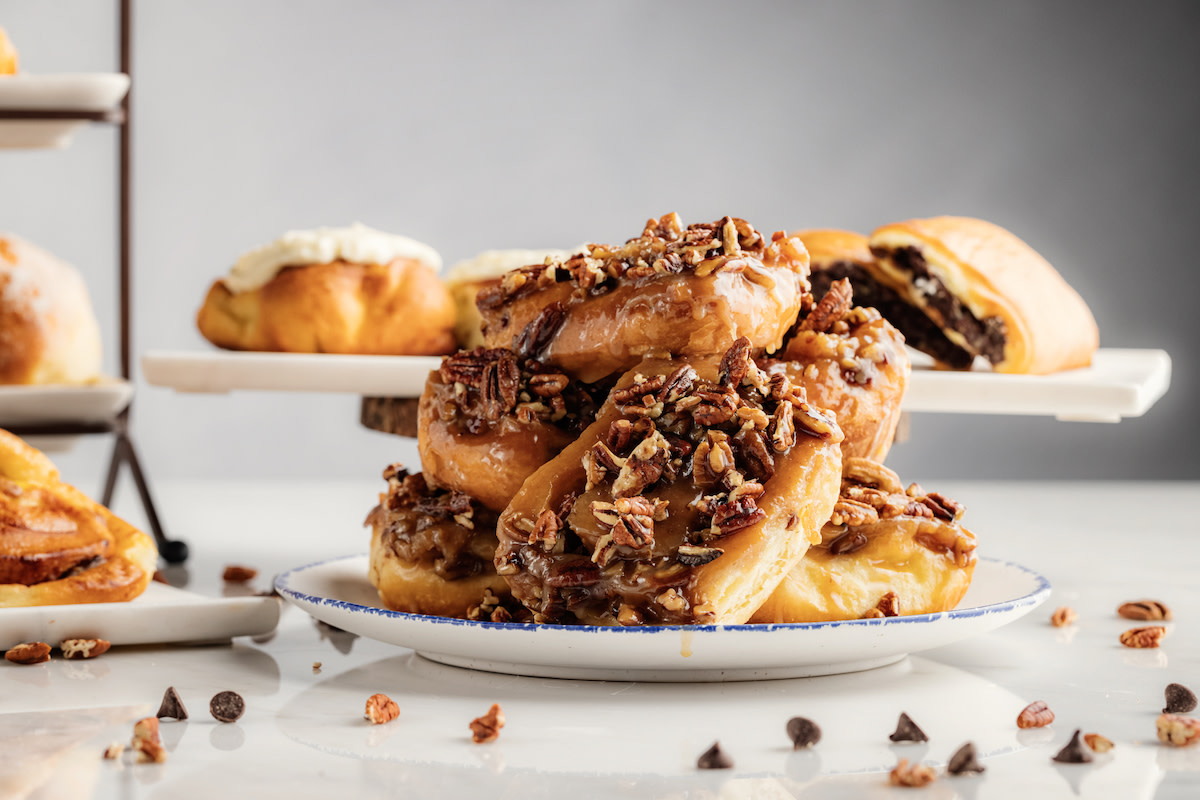
Master Joanne Chang's Sticky Buns: Elevate Your Baking with 8 Pro Tips
There's something undeniably magical about a warm, gooey sticky bun, especially one inspired by the legendary Joanne Chang. As the mastermind behind Boston's beloved Flour Bakery + Cafe and a James Beard Award-winning chef, Chang has perfected the art of the sticky bun, transforming a classic treat into an unforgettable, sugar-drenched masterpiece. Far more decadent than a traditional cinnamon roll, her sticky buns are a testament to meticulous technique and a passion for flavor.
If you've ever dreamt of recreating that exquisite bakery experience in your own kitchen, you're in the right place. This comprehensive guide will delve into the secrets behind a truly exceptional
sticky buns recipe, drawing inspiration from Joanne Chang's expert advice. Prepare to transform simple ingredients into a show-stopping brunch item or a luxurious dessert.
What Makes Joanne Chang's Sticky Buns a Sticky Sensation?
At its heart, a sticky bun is a delightful variation on the sweet rolled pastry theme, built upon a rich, yeasted dough. What sets Chang's version, and indeed any truly great sticky bun, apart is its signature "stickiness" and depth of flavor. Unlike cinnamon rolls that often finish with a cream cheese icing, sticky buns achieve their iconic gooey topping through a caramel sauce that bakes at the bottom of the pan.
Chang's approach often begins with a buttery brioche dough, providing an unparalleled richness and tender crumb. This luxurious dough is generously spread with a cinnamon-sugar mixture before being rolled and sliced into individual buns. The real magic happens when these buns are placed atop a thick, often nut-studded (typically pecans) caramel goo in the baking pan. Post-baking, the pan is inverted, allowing that magnificent, golden caramel to cascade over and perfectly glaze each bun. The result is a harmonious blend of tender bread, spicy cinnamon, and an irresistible, sweet, and nutty caramel coating. These aren't just pastries; they're an experience, perfect for a decadent brunch or an extra-special dessert.
Mastering the Magic: 8 Pro Baking Tips for Perfect Sticky Buns
Whether you're a seasoned baker or embarking on your first brioche adventure, these pro tips, inspired by Joanne Chang's expertise, will help you craft the best homemade sticky buns possible.
1. Choose Your Yeast Wisely: Fresh or Active Dry is Key
While instant yeast offers convenience, Chang often recommends opting for either
active dry yeast or
fresh yeast for superior results in your
sticky buns recipe. Active dry yeast, a common granular powder found in most grocery stores, requires activation in warm liquid before mixing with other ingredients. Fresh yeast, often sold in compressed "cakes," is less common but activates more quickly and can yield a slightly different texture and flavor. The deliberate activation process of these yeasts can contribute to a more robust flavor and consistent rise in rich doughs like brioche, ensuring your buns are light and airy.
2. The Butter Balance: Perfect Room Temperature is Crucial
Achieving the right butter temperature is vital for brioche dough. Chang advises using butter that is truly at
room temperature – pliable but still cool to the touch. Butter that is too soft or melted can result in a runny, unmanageable dough that behaves more like pancake batter, struggling to absorb flour properly and taking significantly longer to knead. Conversely, butter that's too cold will be difficult for your stand mixer to incorporate evenly, leading to lumpy dough. If in doubt, err on the side of slightly colder butter; it's easier to warm up slightly during mixing than to fix an overly soft, greasy dough.
3. The Windowpane Test: Your Dough's Gluten Indicator
For light, airy, and chewy sticky buns, proper gluten development is paramount. The
windowpane test is an indispensable technique to check your dough's readiness. After sufficient kneading, gently pull and stretch a small piece of dough between your fingers. If the dough can stretch thin enough to become almost transparent, allowing light to pass through like a windowpane, without tearing, then your gluten is well-developed. You should be able to see web-like gluten strands within the stretched dough. This elasticity is what gives brioche its characteristic soft, yet structured texture.
4. Make the Dough in Advance: Embrace the Prep Power
Baking sticky buns from scratch can be a multi-step process, but intelligent planning makes it entirely manageable. Chang suggests preparing your brioche dough in advance. You can store the tightly wrapped dough in the refrigerator for up to 24 hours without significant loss of yeast activity. For longer storage, freeze the dough, tightly wrapped in plastic, for up to 5 days. Beyond this, the yeast may begin to lose its potency. Making the dough ahead allows for deeper flavor development and significantly cuts down on the day-of baking time, making it perfect for special occasions.
5. Prepare the Goo in Advance: A Head Start to Sweetness
Just like the dough, the luscious caramel "goo" that forms the foundation of your sticky buns can be prepared ahead of time. Whip up your caramel sauce (often a blend of butter, brown sugar, and corn syrup, sometimes with cream) up to two weeks in advance. Store it in an airtight container in the refrigerator. When you're ready to assemble your buns, simply bring the goo back to room temperature; a gentle warming can help it spread more easily. This tip not only saves time but also allows the flavors of the caramel to meld beautifully.
6. Roll with Purpose: Forceful Rolling for Gluten Development
When it comes to rolling out your sticky bun dough, don't be shy! Instead of a gentle approach, Chang advocates for rolling the dough
forcefully. Use a firm, even pressure with your rolling pin to manipulate the dough. This vigorous action helps to further develop gluten, creating a stronger structure that will result in wonderfully light and fluffy buns with a desirable chew. It's also crucial that the dough is *cold* during this stage. Cold dough is less sticky and will resist absorbing additional flour, which could make your final product tough.
7. Store Assembled Unbaked Buns: The Ultimate Make-Ahead Option
For ultimate convenience, especially when preparing for a holiday brunch or a busy morning, you can assemble your sticky buns completely and then store them unbaked. Tightly wrap your prepared pan of raw sticky buns in plastic wrap and freeze them for up to 5 days. This
make-ahead sticky buns strategy is a game-changer. When you're ready to bake, simply thaw the wrapped buns overnight in the refrigerator, or for 2 to 3 hours at room temperature, allowing them to rise before baking as directed.
8. The Art of Storage & Enjoyment: Savoring Freshness
While the immediate gratification of a warm, fresh-out-of-the-oven sticky bun is unparalleled, proper storage ensures you can enjoy them beyond the first bite. Sticky buns are undoubtedly best enjoyed fresh, ideally on the day they are baked. The caramel is warm and flowing, and the brioche is at its softest. If you have leftovers, store them in an airtight container at room temperature for a day or two. For longer enjoyment, especially if they contain nuts, refrigerating them can help maintain freshness. Reheat gently in the microwave or a low oven to bring back some of that irresistible gooeyness.
Beyond the Bake: Serving & Customization
Once you've mastered the art of Joanne Chang's sticky buns, the possibilities for enjoyment are endless. Serve them warm, perhaps with a side of strong coffee or a glass of cold milk. They are the quintessential holiday brunch centerpiece but also make for an extraordinary dessert, especially when paired with a scoop of vanilla bean ice cream.
Feel free to customize your sticky buns. While pecans are traditional, try walnuts, hazelnuts, or even a mix of nuts in your caramel goo. A pinch of cardamom or nutmeg can enhance the cinnamon-sugar filling, adding another layer of aromatic complexity to your
sticky buns recipe.
Conclusion
Baking Joanne Chang's sticky buns is more than just following a recipe; it's an immersive journey into the world of professional pastry. By understanding the nuances of yeast, butter, gluten development, and strategic make-ahead techniques, you're not just creating a delicious treat – you're honing your baking skills. These 8 pro tips provide the foundation for achieving that perfect balance of tender brioche, warm cinnamon, and an irresistible, cascading caramel. So, roll up your sleeves, embrace the process, and prepare to delight yourself and your loved ones with the most decadent homemade sticky buns you've ever tasted. Your kitchen is about to become your favorite bakery.